
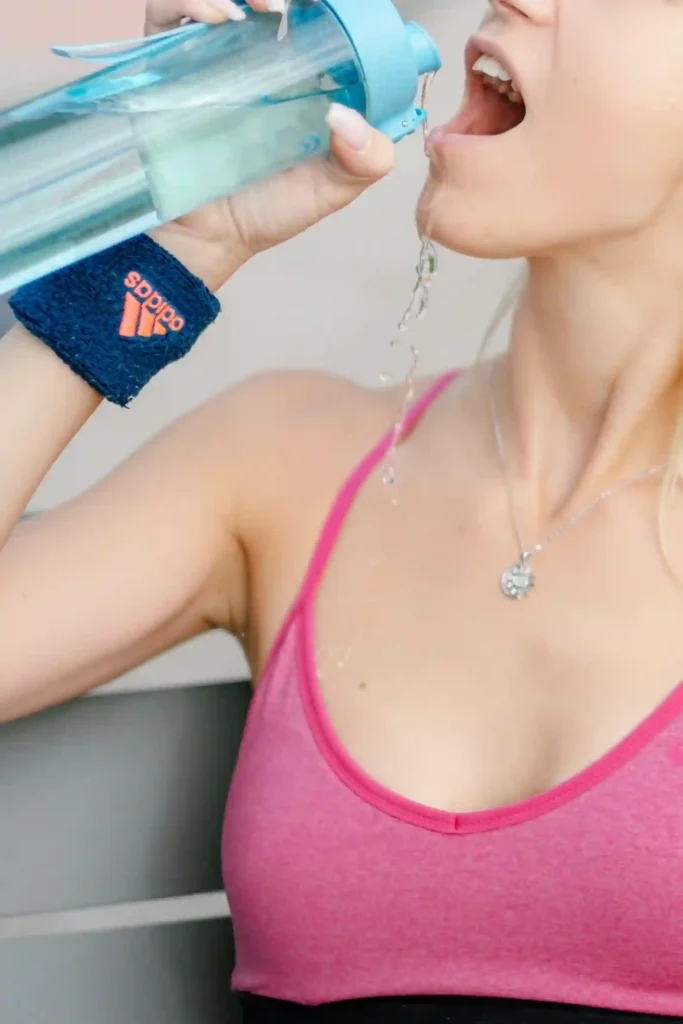
Hydration is one of the most important things your body needs to stay healthy and function properly. Every day, your body uses water to control its temperature, support digestion, move nutrients, protect your joints and remove waste. Yet many people do not pay enough attention to how much fluid they lose and how much they need to replace.
You do not need an expensive health drink or a complicated routine to stay hydrated. In most cases, drinking enough safe water throughout the day and eating water-rich foods can help your body maintain a healthy fluid balance.
But how much water should you drink each day? What are the signs that your body needs more water? Can you become dehydrated even when you are not exercising? And what should you do when the weather is extremely hot?
This guide explains hydration in simple language, including its importance, health benefits, daily water needs, dehydration symptoms and practical ways to stay hydrated at home, at work and outdoors.
What Is Hydration?
Hydration is the process of giving your body enough water and fluids to maintain its normal functions.
Think of your body like a machine that needs water to keep working properly. Water helps different parts of the body perform their jobs.
Your body needs water to:
- Control its temperature.
- Carry nutrients to cells.
- Support digestion.
- Remove waste through urine and bowel movements.
- Lubricate joints.
- Protect sensitive tissues.
- Maintain normal blood circulation.
- Support the balance of minerals called electrolytes.
Your body constantly loses water through urine, sweat, breathing and bowel movements. You replace this lost fluid when you drink water and other beverages and eat foods that contain water.
When the amount of water you take in is enough to replace what your body loses, you maintain a healthy fluid balance.
Why Is Hydration Important?
Hydration is important because almost every system in your body depends on water.
Even a small loss of body fluid can affect how you feel and perform, especially during physical activity or hot weather.
Here are some of the main reasons your body needs enough water.
1. Hydration Helps Control Body Temperature
Your body produces heat throughout the day.
When you exercise, walk under the sun, work outdoors or stay in a hot environment, your body releases sweat to help cool itself.
As sweat evaporates from your skin, it helps remove heat.
However, sweating also causes you to lose water. If you do not replace enough of that fluid, you may become dehydrated.
This is particularly important in hot climates such as Nigeria, where people may spend long periods working, travelling or exercising outdoors.
2. Hydration Supports Digestion
Water helps your digestive system break down food and move waste through the body.
It also helps keep stool soft, making bowel movements easier.
When you do not consume enough fluid, you may become constipated, particularly if your diet is also low in fibre.
Drinking enough water and eating fibre-rich foods can help support normal bowel movements.
3. Hydration Helps Your Kidneys Remove Waste
Your kidneys filter your blood and remove waste products through urine.
Water helps the kidneys produce urine and maintain the body’s fluid balance.
When you do not take in enough fluid, your urine may become darker and more concentrated.
Adequate hydration supports normal kidney function, but drinking excessive amounts of water does not automatically make your kidneys healthier.
4. Hydration Supports Normal Blood Circulation
Blood contains a large amount of water.
Water helps maintain the volume of blood that circulates around your body, carrying oxygen and nutrients to different tissues.
When you lose too much fluid, your blood volume can decrease. This may make you feel weak, dizzy or light-headed.
5. Hydration Helps Protect Your Joints and Tissues
Water helps lubricate joints and supports tissues throughout the body.
It also helps cushion and protect sensitive areas, including the spinal cord.
Getting enough fluid is one part of maintaining normal joint and tissue function.
6. Hydration Supports Normal Brain Function
Your brain needs water to function properly.
Not drinking enough can contribute to symptoms such as headaches, tiredness, dizziness and difficulty concentrating.
When you feel unusually tired or have a headache, dehydration may be one possible cause, although these symptoms can also have other explanations.
7. Hydration Helps Maintain Physical Performance
Your body loses fluid when you sweat during physical activity.
If you lose more fluid than you replace, you may experience fatigue, reduced physical performance, dizziness or muscle cramps.
Drinking enough fluid before, during and after exercise helps replace some of the water you lose.
The amount you need depends on how long you exercise, how hard you work and how much you sweat.
How Much Water Should You Drink Every Day?
There is no single amount of water that every person must drink daily.
Your water needs depend on several things, including:
- Your age.
- Your body size.
- Your level of physical activity.
- The temperature and humidity around you.
- Whether you are pregnant or breastfeeding.
- Your health condition.
- Whether you have a fever, vomiting or diarrhoea.
For general reference, the US National Academies established adequate daily total water intake levels of approximately:
| Group | Daily total water reference |
|---|---|
| Adult men | 3.7 litres |
| Adult women | 2.7 litres |
These figures include water from drinking water, other beverages and food. They are not instructions that every man must drink 3.7 litres of plain water or every woman must drink 2.7 litres of plain water.
The amount you need can be higher or lower depending on your circumstances.
For many healthy adults, thirst, regular fluid intake and the colour of urine can provide useful everyday guidance. Pale yellow urine is generally a reassuring sign, although some medicines, supplements and health conditions can change urine colour.
If you have a medical condition that requires fluid restriction, follow your healthcare professional’s advice rather than general drinking recommendations.
What Are the Signs of Good Hydration?
Your body gives you signals that can help you understand whether you are getting enough fluid.
Common signs of adequate hydration include:
- You are not unusually thirsty.
- Your mouth and tongue are not persistently dry.
- You urinate regularly.
- Your urine is generally pale yellow.
- You do not frequently feel dizzy from fluid loss.
- You feel reasonably well during your normal daily activities.
These signs are useful guides, not a medical test. Your fluid needs can change throughout the day.
What Is Dehydration?
Dehydration happens when your body loses more fluid than it takes in.
This means your body does not have enough water to carry out its normal functions properly.
You can become dehydrated when you:
- Do not drink enough water.
- Sweat heavily.
- Exercise for a long time in hot weather.
- Have a fever.
- Experience vomiting or diarrhoea.
- Urinate more than usual because of certain illnesses or medicines.
- Spend too much time in a hot environment without replacing lost fluids.
Dehydration can be mild, moderate or severe. Severe dehydration can be life-threatening and requires urgent medical attention.
What Are the Symptoms of Dehydration?
The symptoms of dehydration may differ depending on your age and how much fluid your body has lost.
Early Signs of Dehydration in Adults
Common symptoms include:
- Feeling thirsty.
- Dry mouth, lips or tongue.
- Dark yellow urine.
- Urinating less frequently.
- Headache.
- Tiredness.
- Dizziness or light-headedness.
- Dry skin.
If you notice these symptoms, consider whether you have been drinking enough fluid or losing more water than usual.
However, do not assume every headache or episode of tiredness is caused by dehydration.
Signs of Severe Dehydration
Severe dehydration can cause:
- Confusion.
- Fainting.
- Very little or no urination.
- Rapid heartbeat.
- Rapid breathing.
- Extreme weakness.
- Unusual drowsiness.
These symptoms require urgent medical attention. Do not delay care while trying to treat severe dehydration at home.
Signs of Dehydration in Children
Children can become dehydrated, particularly when they have diarrhoea, vomiting or a fever.
Possible warning signs include:
- Dry mouth and tongue.
- Crying without tears.
- Fewer wet nappies or diapers than usual.
- Sunken eyes.
- Unusual sleepiness.
- Irritability.
- Reduced urination.
Seek medical advice promptly if you suspect a child is dehydrated. Get urgent help if the child is unusually drowsy, difficult to wake, breathing rapidly or showing other serious symptoms.
How to Stay Hydrated Every Day
Staying hydrated does not have to be difficult.
You can build simple habits that help you replace the water your body loses throughout the day.
1. Drink Water Regularly
Do not wait until you feel extremely thirsty before thinking about drinking.
Make drinking water part of your daily routine.
For example, drink water:
- After waking up.
- With meals.
- During breaks at work.
- After physical activity.
- When spending time outdoors.
- Whenever you feel thirsty.
You do not need to drink a large amount at once. Regular drinking throughout the day is a practical approach.
2. Carry Drinking Water When You Go Out
If you travel, work outdoors or spend long hours away from home, carry a clean water bottle.
This makes it easier to drink when you need to, rather than waiting until you return home.
In hot weather, plan ahead and make sure you have access to enough safe drinking water.
3. Eat Foods That Contain Water
You do not get water only from drinking.
Many foods contain a significant amount of water and contribute to your daily fluid intake.
Examples include:
- Watermelon.
- Cucumber.
- Oranges.
- Pineapple.
- Tomatoes.
- Lettuce.
- Pawpaw.
- Soups.
Eating a variety of fruits and vegetables can support hydration while also providing vitamins, minerals and fibre.
4. Drink More When You Sweat Heavily
Your body loses water through sweat.
If you work under the sun, exercise, play sports or perform physically demanding tasks, you may need more fluid than someone who spends most of the day in a cool environment.
Take regular breaks, move to a cooler area when possible and replace fluids.
5. Choose Water Instead of Sugary Drinks More Often
Soft drinks and other sugary beverages can contribute fluid, but they may also contain large amounts of added sugar.
Choosing plain drinking water more often can help reduce your sugar and calorie intake.
You can add a little lemon or other fruit for flavour if you enjoy it.
6. Make Water Easy to Access at Home and Work
People are more likely to drink water when it is easy to reach.
Keep safe drinking water available at home, in the office and in places where people gather.
For workplaces, schools and businesses, access to safe drinking water is a practical part of supporting everyday wellbeing.
Hydration in Hot Weather: Why It Matters
Hot weather increases the amount of water your body may lose through sweating.
This is especially important for people who:
- Work outdoors.
- Drive for long hours.
- Sell goods in open markets.
- Work on construction sites.
- Exercise outside.
- Spend long periods in poorly ventilated environments.
When temperatures are high, take steps to reduce heat exposure.
Practical ways to protect yourself include:
- Drink water regularly.
- Avoid unnecessary strenuous activity during the hottest part of the day.
- Take breaks in shaded or cooler places.
- Wear light, breathable clothing.
- Pay attention to signs of heat-related illness.
- Replace fluids lost through heavy sweating.
If you feel faint or weak while working or exercising in the heat, stop the activity and move to a cooler place.
Confusion, collapse or suspected heatstroke requires emergency medical attention.
Hydration During Exercise and Physical Activity
Exercise makes your body produce more heat.
To control this heat, your body sweats. The longer and more intense the activity, the more fluid you may lose.
Your hydration needs during exercise depend on:
- How long you exercise.
- How intense the activity is.
- The temperature.
- How much you sweat.
- Your individual health and fitness.
For ordinary short exercise sessions, water is usually sufficient for most people.
For prolonged, intense exercise or heavy sweating, drinks containing electrolytes may be useful because sweat contains water and minerals, including sodium.
You do not need sports drinks for every walk, workout or ordinary daily activity.
Avoid forcing yourself to drink excessive amounts of water during exercise. Drinking far more than your body needs can also be dangerous.
What Are Electrolytes and Why Do They Matter?
Electrolytes are minerals that carry an electrical charge when dissolved in body fluids.
Important electrolytes include:
- Sodium.
- Potassium.
- Calcium.
- Magnesium.
- Chloride.
They help your body regulate fluid balance, support muscle function and allow nerves to send signals.
You lose water and some electrolytes through sweat, urine and other body processes.
For most everyday activities, a balanced diet and ordinary drinking water are enough to maintain electrolyte balance.
However, prolonged heavy sweating, vomiting or diarrhoea can cause significant fluid and electrolyte losses.
In such situations, an appropriate oral rehydration solution may be needed.
Is Water Enough for Hydration?
For most everyday situations, yes.
Plain, safe drinking water is an excellent way to replace fluid.
Other drinks and foods also contribute to daily fluid intake. However, water is often a sensible first choice because it contains no added sugar or calories.
There are situations where water alone may not be enough.
For example, someone who has significant diarrhoea or vomiting may lose both water and important salts. An oral rehydration solution is designed to replace water and electrolytes in appropriate proportions.
People with prolonged heavy sweating may also need to replace electrolytes.
The right choice depends on the situation. Do not assume that expensive sports drinks or electrolyte products are necessary for everyone.
What Is the Difference Between Hydration and Rehydration?
Hydration means maintaining enough water and fluids in your body for normal functions.
Rehydration means replacing fluid that has already been lost.
For example:
- Drinking water throughout the day helps maintain hydration.
- Drinking appropriate fluids after heavy sweating helps replace lost fluid.
- Using oral rehydration solution when medically appropriate helps replace water and electrolytes lost through diarrhoea.
Rehydration may require more than ordinary water when significant electrolyte losses have occurred.
How to Rehydrate Your Body
If you are mildly dehydrated because you have not been drinking enough, drinking water and taking fluids regularly may help.
However, the right approach depends on why you became dehydrated.
After Sweating
Move to a cooler place and drink water. If you have been sweating heavily for a prolonged period, you may also need to replace electrolytes.
After Vomiting or Diarrhoea
An oral rehydration solution (ORS) may be recommended because it replaces both fluid and important salts.
Follow the product instructions carefully. Use the correct amount of safe water when preparing ORS powder. Do not make it more concentrated or dilute than instructed.
Babies, young children, older adults and people with serious symptoms may need medical assessment.
When Dehydration Is Severe
Severe dehydration is a medical emergency. It may require treatment in a healthcare facility.
Do not rely on homemade drinks or ordinary water alone when someone has serious warning signs.
Who Needs to Pay Extra Attention to Hydration?
Everyone needs water, but some people may be more likely to become dehydrated or may need to pay closer attention to fluid intake.
Children
Children may lose fluid quickly during diarrhoea, vomiting, fever or hot weather.
Parents and caregivers should make safe drinking water available and watch for changes in urination, alertness and behaviour.
Older Adults
Some older adults experience a reduced sense of thirst.
They may also have health conditions or take medicines that affect fluid balance.
Caregivers should pay attention to their drinking habits and follow any medical fluid guidance.
Pregnant and Breastfeeding Women
Pregnancy and breastfeeding can increase fluid needs.
Women should drink regularly and follow the advice of their healthcare professional, especially if they have a medical condition or experience persistent vomiting.
People Who Work Outdoors
Outdoor workers may lose significant amounts of water through sweating.
Employers should make safe drinking water, rest breaks and cooler recovery areas available where possible.
Athletes and Physically Active People
People who exercise intensely or for long periods may need to replace more water and, in some situations, electrolytes.
Their hydration plans should reflect the activity, weather and amount of sweat lost.
Can You Drink Too Much Water?
Yes. Although dehydration is a concern, drinking excessive amounts of water can also be harmful.
If someone drinks far more water than their body can remove, the sodium level in their blood can become dangerously low. This condition is called hyponatraemia.
It can cause symptoms such as headache, nausea, confusion and, in severe cases, seizures.
This is one reason you should not force yourself to drink extremely large amounts of water simply because you believe more water is always better.
Drink according to your needs, activity and medical advice.
People with kidney, heart or other conditions that affect fluid balance should follow their healthcare professional’s recommendations.
Does Coffee, Tea or Juice Count Towards Hydration?
Yes. Many beverages contribute to your daily fluid intake.
Water is still an excellent everyday choice, but you do not obtain all your fluids from plain water alone.
Tea, coffee, milk and some other drinks contribute fluid.
However, pay attention to what is added to these drinks. Some juices, energy drinks and soft drinks contain significant amounts of sugar.
The goal is not simply to drink more liquid. It is to choose suitable drinks and maintain a healthy fluid balance.
How Does Drinking Water Support Healthy Living in Nigeria?
Hydration is particularly important in places where people experience high temperatures, spend time outdoors or perform physically demanding work.
In Nigeria, people may spend hours commuting, working in markets, driving, attending outdoor events or carrying out physical tasks under the sun.
These activities can increase sweating and fluid loss.
Simple habits can make a difference:
- Start the day with access to safe drinking water.
- Carry water when travelling.
- Drink regularly during outdoor work.
- Take breaks in shaded or cooler areas.
- Make drinking water available in homes, offices and schools.
- Pay attention to children and older adults during hot weather.
- Replace fluids after heavy sweating or illness when appropriate.
But there is another important part of hydration that people sometimes overlook: the safety of the water itself.
Why Safe Drinking Water Matters for Hydration
Drinking enough water is important, but the water must also be safe.
Water that looks clear is not automatically free from harmful microorganisms or chemical contaminants.
Unsafe drinking water can expose people to waterborne illnesses, including illnesses that cause diarrhoea and vomiting. These conditions can lead to dehydration, especially in young children.
When choosing drinking water, consider:
- Whether the source is reliable.
- Whether the water has been properly treated.
- Whether the packaging is clean and intact.
- Whether the producer follows applicable safety and regulatory requirements.
- Whether the product is stored and transported hygienically.
In Nigeria, consumers should check relevant NAFDAC registration details for packaged drinking water and avoid damaged or suspicious packaging.
Good hydration begins with access to safe drinking water.
Frequently Asked Questions About Hydration
1. What is hydration in simple words?
Hydration means giving your body enough water and fluids to keep it working properly.
2. Why is hydration important?
Hydration helps control body temperature, support digestion, maintain blood circulation, protect joints, remove waste and support normal brain and body functions.
3. How much water should I drink every day?
Your needs depend on your age, activity, health, diet and environment. There is no single amount that is right for everyone. Remember that food and other beverages also contribute to daily water intake.
4. What are the first signs of dehydration?
Early signs may include thirst, dry mouth, dark yellow urine, urinating less often, tiredness, headache and dizziness.
5. What is the best drink for hydration?
Plain, safe drinking water is an excellent everyday choice. Other drinks and water-rich foods also contribute to hydration.
6. Can I become dehydrated without exercising?
Yes. You can become dehydrated through hot weather, fever, vomiting, diarrhoea, certain medicines or simply not drinking enough fluid.
7. Does drinking water improve skin?
Adequate hydration supports normal body function and helps prevent dehydration-related dryness. However, drinking extra water beyond your needs is not a proven treatment for acne, wrinkles or other skin conditions.
8. Is drinking water before bed good for hydration?
It can contribute to your daily fluid intake. However, drinking large amounts immediately before sleeping may interrupt your sleep because you need to urinate. Your overall fluid intake throughout the day matters more.
9. Do fruits help with hydration?
Yes. Fruits such as watermelon, oranges and pineapple contain water and contribute to daily fluid intake.
10. Are sports drinks necessary for hydration?
Not for most ordinary daily activities. Water is usually enough. Sports drinks may be useful during prolonged, intense exercise or heavy sweating, depending on the situation.
11. What is the difference between hydration and dehydration?
Hydration means maintaining enough fluid in your body. Dehydration happens when your body loses more fluid than it takes in.
12. How can I hydrate quickly?
If you are mildly dehydrated, drinking water and replacing fluids regularly may help. If you have diarrhoea or vomiting, an appropriate oral rehydration solution may be needed. Severe symptoms require urgent medical attention.
13. Does drinking more water mean better health?
No. Your body needs enough water, not unlimited amounts. Excessive water intake can be harmful, so drink according to your needs.
14. Can children drink water every day?
Yes. Children need water as part of a healthy diet. However, babies under six months generally do not need additional plain water unless advised by a healthcare professional; breast milk or correctly prepared infant formula provides their fluid needs.
15. How do I know if I am drinking enough water?
Thirst, regular urination and generally pale yellow urine can provide useful everyday clues. These are not perfect measures, and your needs may change with weather, activity and health.
Final Thoughts: Make Hydration Part of Your Everyday Life
Hydration is not a complicated health routine. It is an everyday need that supports almost everything your body does.
Your body needs water to control its temperature, support digestion, maintain circulation, remove waste and help you function properly.
You do not need to wait until you feel extremely thirsty, and you do not need expensive drinks to maintain healthy hydration.
Make safe drinking water available. Drink regularly. Pay attention to the weather and your activity level. Eat fruits and vegetables that contain water. And take dehydration seriously, especially when children, older adults or people who are ill are involved.