
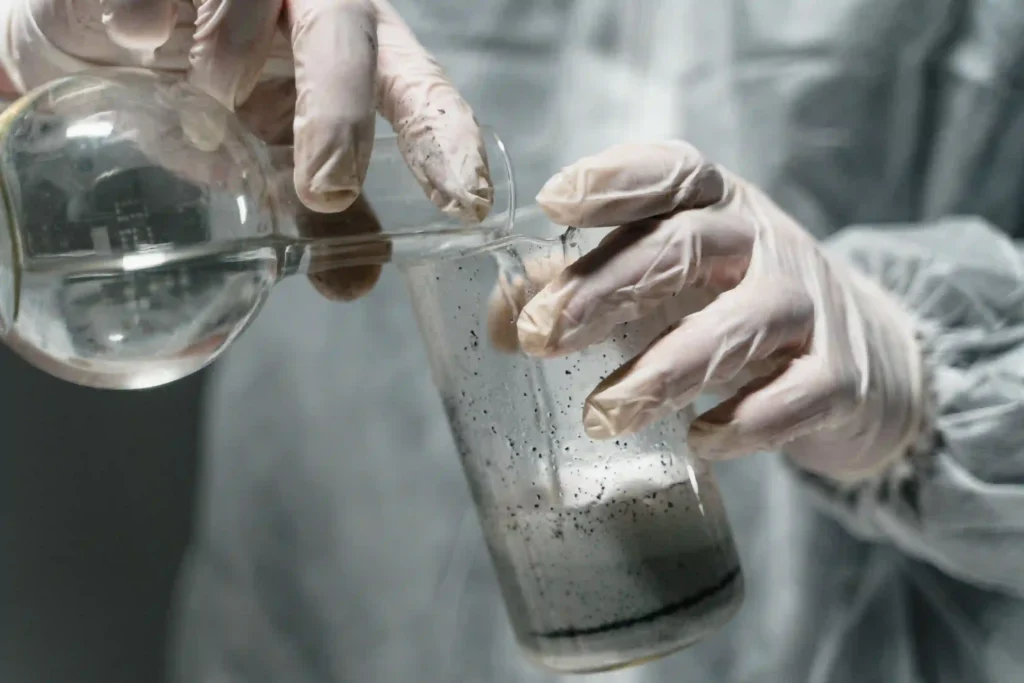
Water contamination occurs when harmful germs, chemicals or other unwanted substances enter water and make it unsafe to drink or use. It is a serious public-health concern because water touches almost every part of our daily lives. We drink it, cook with it, wash food with it and use it to maintain personal hygiene.
But here is the problem: water can look clean and still contain harmful contaminants. A clear glass of water does not automatically mean the water is safe. Some contaminants cannot be seen, smelled or tasted.
For families in Benin City, across Edo State and throughout Nigeria, understanding water contamination can help prevent avoidable risks and support better drinking-water decisions. The same basic lesson applies to households in the United States, Canada, Australia, South Africa and India: the safety of water depends on its source, treatment, handling and the evidence available about its quality.
So, what causes water pollution? How does water pollution happen? What are the dangers of contaminated water, and how can you protect your household?
Let us break it down in simple, practical terms.
What Is Water Contamination?
Water contamination happens when unwanted microorganisms, chemicals or other substances enter water and affect its safety or suitability for a particular use.
In simple language, something that should not be in the water has entered it, or a substance is present at a level that may create a health risk.
Consider a household that collects water from a well. If sewage leaks into the surrounding soil and reaches the groundwater, the water may become contaminated. The well might still look normal, but it could contain disease-causing microorganisms.
Contamination can also happen after water has been collected or treated. A dirty storage tank, damaged pipe or unclean container may introduce contaminants into water that was previously safe.
The type of contaminant matters. Some microorganisms can cause illness after a relatively short period of exposure. Certain chemical contaminants may create health risks after repeated or long-term exposure.
According to the World Health Organization (WHO), microbiologically contaminated drinking water can transmit diseases such as diarrhea, cholera, dysentery and typhoid. Some chemical contaminants can also threaten human health.
However, not every substance found in water is harmful. The level of risk depends on what is present, its concentration, how a person is exposed and how the water is used.
What Is Contaminated Water?
Contaminated water is water that contains unwanted microorganisms, chemicals or other substances at levels that make it unsafe or unsuitable for its intended use.
Examples include:
- Water containing disease-causing microorganisms from sewage.
- Water affected by certain industrial chemicals.
- Water from a well exposed to contaminated runoff.
- Water that becomes contaminated inside an inadequately cleaned storage tank.
- Water containing a chemical that occurs naturally in the ground at an unsafe concentration.
One important point is worth remembering: contaminated water does not always look dirty. Testing may be necessary to identify problems that the eyes, nose and tongue cannot detect.
What Is the Difference Between Water Contamination and Water Pollution?
The terms are closely related, but they are not always used in exactly the same way.
Water contamination generally refers to unwanted substances or microorganisms in water, especially when discussing drinking-water safety.
Water pollution often describes harmful substances entering rivers, streams, lakes, groundwater and other water bodies, damaging water quality or the surrounding environment.
For example, a factory that releases untreated waste into a river may cause water pollution. If that river supplies water to a community and the water is not adequately treated, the pollution can lead to drinking-water contamination.
The two problems can therefore be connected. Pollution in the wider environment may eventually affect the water people depend on for drinking, cooking and other daily needs.
What Causes Water Pollution and Water Contamination?
What causes water pollution? In many cases, pollution happens when waste, chemicals, microorganisms or other harmful substances enter water or the environment surrounding a water source.
Some contaminants occur naturally. Others come from human activities, poor waste management, inadequate sanitation or failures in water infrastructure.
Here are eight common causes of water contamination.
1. Sewage and Human Waste
Human waste can contain disease-causing microorganisms. When sewage systems leak, toilets are poorly maintained or waste enters the environment through inadequate sanitation, contaminants can reach wells, rivers and other water sources.
For example, a well located too close to a poorly managed sanitation facility may be exposed to contamination if the local conditions allow waste to reach the groundwater.
This is one reason sanitation and drinking-water safety cannot be treated as separate issues.
Proper sewage disposal, safe toilet facilities and protection of water sources help reduce the risk.
2. Poor Waste Disposal
Rubbish does not always stay where it is thrown.
Plastic waste, food waste, discarded materials and other rubbish can block drains or collect near streams and water sources. When rain falls, water can carry pollutants from these areas into nearby rivers, ponds, wells and drainage channels.
Some discarded materials may also release harmful substances as they break down.
Proper waste collection and disposal help protect water sources. Keeping refuse away from wells, boreholes and drainage channels is a practical step that households and communities can take.
3. Agricultural Chemicals and Animal Waste
Farms may use fertilisers, pesticides and other agricultural chemicals. If rain washes these substances from fields into streams or groundwater, they may affect water quality.
Animal waste can also introduce microorganisms into water sources, especially when livestock are kept near streams, wells or other water collection points.
The risk depends on factors such as the chemicals involved, the amount used, local soil conditions and the distance between agricultural activities and the water source.
Responsible chemical use, proper animal-waste management and suitable protection around water sources can reduce these risks.
4. Industrial Waste and Fuel Leaks
Some industrial processes produce wastewater containing chemicals, oils, metals or other substances.
If this waste is released without adequate control or treatment, it may pollute rivers, soil and groundwater. Leaking fuel tanks, chemical storage facilities and transport accidents can also introduce pollutants into the environment.
The danger depends on the substance involved and the amount that reaches the water.
Where industrial pollution is suspected, water should be assessed by a competent laboratory. Boiling or using a household filter should not be assumed to remove unknown industrial chemicals.
5. Flooding and Heavy Rainfall
Heavy rainfall can carry sewage, animal waste, rubbish, fuel and other pollutants across the land.
If floodwater enters a well, borehole, storage tank or water distribution system, it may contaminate the supply. Flooding can also damage pipes and sanitation infrastructure.
After flooding, a familiar water source should not automatically be assumed safe.
Follow relevant public-health advice, use a known safe alternative when contamination is suspected and obtain guidance on appropriate treatment. The correct response depends on the possible contaminants.
6. Poorly Protected Wells and Boreholes
A borehole is not automatically safe simply because its water comes from underground.
Groundwater may be affected by nearby sanitation facilities, waste disposal, agricultural chemicals, naturally occurring substances and poorly constructed or maintained boreholes.
An open or poorly protected well may allow contaminated runoff, insects, animals or debris to enter.
Households using private wells and boreholes should arrange suitable water-quality testing. The necessary tests depend on the source, local conditions and possible risks.
7. Damaged Pipes and Water Distribution Systems
Water can be treated at its source and still become contaminated later.
Cracked pipes, leaking connections, damaged storage tanks and failures in distribution systems can create opportunities for contaminants to enter a water supply.
The US Centers for Disease Control and Prevention (CDC) explains that contamination can occur at the source or while water travels through pipes to homes and buildings.
This is why water safety requires attention throughout the supply chain, not only at the treatment stage.
8. Dirty Storage Containers and Unsafe Handling
Sometimes, contamination happens in the home, office, shop or food business.
It may occur when people:
- Store water in an unwashed container.
- Leave a storage vessel uncovered.
- Dip dirty hands or cups into drinking water.
- Use containers that previously held chemicals.
- Neglect to clean and maintain tanks or dispensers.
- Transfer water using unclean equipment.
Even water that was initially safe can become contaminated through poor handling.
Clean containers, covered storage, proper maintenance and hygienic dispensing practices help protect water quality.
What Are the Different Types of Water Contamination?
Understanding the type of contamination helps explain why different tests and treatment methods are necessary.
Microbiological Contamination
Microbiological contamination occurs when water contains harmful microorganisms, including certain bacteria, viruses and parasites.
Some microorganisms enter water through sewage, human or animal waste, contaminated runoff and unsafe handling.
Depending on the organism, exposure can lead to gastrointestinal illness and other infections.
Appropriate treatment depends on the microorganisms involved and the condition of the water. A method that controls one type of contaminant may not remove every other hazard.
Chemical Contamination
Chemical contamination occurs when harmful chemicals or elements enter water or occur naturally at unsafe levels.
Potential contaminants include lead, arsenic, nitrates, pesticides and certain industrial chemicals.
Their presence cannot reliably be determined by looking at the water. Some require specific laboratory tests.
Boiling water does not remove most dissolved chemical contaminants. In some circumstances, boiling may concentrate certain chemicals as water evaporates.
If chemical contamination is suspected, seek advice from a competent water-quality laboratory or the relevant authority before deciding how to make the water safe.
Physical Contamination
Physical contamination involves unwanted particles or materials, such as soil, sediment, rust and debris.
These materials may make water cloudy or discoloured. However, visible particles do not tell you exactly which contaminants are present or whether the water is safe.
Removing visible dirt may improve appearance, but it does not necessarily remove harmful microorganisms or dissolved chemicals.
Naturally Occurring Contaminants
Some substances occur naturally in rocks, soil and groundwater.
Depending on local geology, groundwater may contain elevated levels of particular minerals, metals or other chemical constituents. Natural origin does not automatically mean safe.
Testing helps determine whether a substance is present at an acceptable level.
How Does Water Pollution Happen?
Water pollution often develops through a chain of events rather than one obvious incident.
Imagine a drainage channel near a residential area. Rubbish and sewage are left nearby. Rain washes waste into the channel. The polluted runoff then enters a stream or another water body.
If that water is collected for household use without adequate treatment and protection, people may be exposed to contaminants.
A similar process can happen underground when pollutants seep through soil and reach groundwater. Pollution can also enter water directly through industrial discharges, chemical leaks or failures in waste-storage facilities.
This illustrates an important lesson: preventing contamination at the source is often easier than trying to remove every possible pollutant after it has entered the water.
Can Water Become Contaminated After Treatment?
Yes. Treated water can become contaminated during distribution, transport or storage if protective systems fail or handling is unsafe.
For example, a damaged pipe may allow contaminants to enter a supply. A dirty tank may affect water that was safe when it entered the tank.
Water quality therefore depends on more than one step. Source protection, appropriate treatment, distribution, testing and safe storage all matter.
How Does Water Pollution Affect Human Health?
How does water pollution affect health? The answer depends on the contaminant, its concentration, the level and duration of exposure, and the person’s health.
Not every exposure causes illness, and symptoms such as fever or stomach pain can have many possible causes. However, contaminated water is an important preventable source of certain infections and other health risks.
1. Diarrhoea and Gastrointestinal Illness
Drinking water contaminated with certain microorganisms can cause diarrhoea, vomiting, stomach cramps and other symptoms.
The effects can be especially serious when illness causes significant fluid loss. Infants and young children may be particularly vulnerable to dehydration.
If someone develops severe or persistent symptoms, blood in the stool or signs of dehydration, they should seek prompt medical care.
2. Cholera and Other Waterborne Diseases
Cholera can spread when people consume food or water contaminated with the bacterium that causes the disease.
The Nigeria Centre for Disease Control and Prevention (NCDC) explains the link between cholera transmission, contaminated food or water and inadequate sanitation.
Safe water, proper sanitation, handwashing and timely access to healthcare all help reduce risk.
3. Typhoid and Other Infections
Typhoid fever is caused by Salmonella Typhi. It is commonly transmitted through food or water contaminated with human faeces from an infected person or carrier.
Other waterborne infections are also possible, depending on the organisms present.
It is important not to assume that every fever or stomach problem is typhoid. Anyone with concerning symptoms should seek assessment from a qualified healthcare professional rather than self-diagnosing.
4. Long-Term Effects of Certain Chemicals
Some chemical contaminants can cause harm after repeated or long-term exposure.
For example, excessive exposure to lead can damage the nervous system, with children particularly vulnerable. Long-term exposure to certain other contaminants can affect different organs or increase specific disease risks.
The effects depend on the chemical and the amount of exposure. Testing is often necessary because these contaminants may not change the appearance, smell or taste of water.
5. Greater Risks for Vulnerable People
Infants, young children, older adults and people with weakened immune systems may be more vulnerable to some effects of contaminated water.
This is one reason water safety matters in homes, schools, healthcare facilities and places where food and drinks are prepared.
What Are the Dangers of Water Pollution Beyond Human Illness?
The dangers of water pollution extend beyond individual illness. Pollution can also:
- Harm fish and other aquatic life.
- Damage habitats and ecosystems.
- Affect agriculture and food production.
- Reduce the availability of usable water.
- Increase the cost of treating water.
- Disrupt livelihoods that depend on clean rivers, lakes and other water bodies.
Water pollution can therefore affect health, livelihoods, the environment and the cost of providing safe water.
How Can You Tell If Water Is Contaminated?
This is one of the most important questions a household can ask.
Unfortunately, you cannot reliably determine whether drinking water is safe by sight, smell or taste alone.
Here are some warning signs and what they mean.
Unusual colour or cloudiness: Water that becomes brown, yellow, cloudy or visibly dirty may contain sediment, rust or other substances. Appearance alone cannot identify the cause.
Unusual smell or taste: A new chemical, sewage-like or otherwise unusual smell or taste should be taken seriously. Do not taste water to investigate suspected contamination.
Changes after flooding or repairs: Water quality may be affected when floodwater reaches a source, pipes are damaged or a supply system undergoes repairs.
A public-health advisory: If a relevant authority warns that a source is unsafe, follow its instructions even if the water looks normal.
Laboratory results: Appropriate testing can identify specific microbiological, chemical and physical characteristics. The tests required depend on the source and suspected risks.
Can Clear Water Still Be Contaminated?
Yes. Some harmful microorganisms and dissolved chemicals do not change the colour, smell or taste of water.
A clear glass of water therefore cannot, by appearance alone, prove that the water is safe to drink.
Does a Normal pH Reading Mean Water Is Safe?
No. pH measures how acidic or alkaline water is. It does not establish whether harmful bacteria, viruses, parasites or dangerous chemical contaminants are present.
A pH meter can be useful for water-quality monitoring, but it cannot replace microbiological and chemical testing.
How Do You Know If Water Is Safe to Drink?
Start by considering the source, its protection against contamination, the treatment process, the condition of the distribution system and how the water is stored.
For private wells and boreholes, arrange appropriate laboratory testing. For packaged water, inspect the packaging, check the manufacturer’s information and verify relevant registration details.
If contamination is suspected, use a known safe alternative and follow advice from the relevant public-health authority.
How Can Water Contamination Be Prevented?
Preventing water contamination requires action at several levels: the source, treatment process, distribution system and point of use.
1. Protect the Water Source
Keep waste, sewage and chemicals away from wells, boreholes, streams and other water sources.
Ensure that wells are properly covered and protected from surface runoff. Maintain boreholes and surrounding drainage systems, and address nearby sanitation problems.
Where contamination is suspected, have the source assessed rather than relying on appearance alone.
2. Test Water Appropriately
Water testing helps identify problems that cannot be detected by sight or smell.
Depending on the source, testing may include microbiological indicators, pH, turbidity, conductivity and relevant chemical contaminants. Not every test measures every hazard, so the test panel should be selected according to the source and local risks.
Households using private water sources should consult a competent laboratory about which tests are appropriate and how frequently to repeat them.
3. Use the Right Water Treatment Method
Different treatment methods address different problems.
- Filtration: Removes particles and, depending on the filter, some other substances.
- Activated carbon: Can reduce certain compounds that affect taste, smell or chemical quality.
- Reverse osmosis: Can remove many dissolved substances, depending on system design and operating conditions.
- Ultraviolet treatment: Can inactivate susceptible microorganisms when the system operates correctly.
- Chlorination: Can disinfect water when the correct product, dose and contact time are used.
No single method should be assumed to remove every possible contaminant. Effective treatment depends on the incoming water, equipment, maintenance and required water-quality outcome.
4. Boil Water When Appropriate
Boiling is an established way to inactivate many disease-causing germs when used correctly. It can be useful in certain emergencies involving microbiological contamination.
However, boiling does not remove most dissolved chemical contaminants and may concentrate some of them.
If authorities issue a boil-water advisory, follow their specific instructions. If chemical contamination is suspected, boiling may not make the water safe.
5. Store Drinking Water Safely
After obtaining safe water, protect it from contamination.
- Use a clean container intended for drinking water.
- Keep the container covered.
- Avoid dipping hands, dirty cups or other objects into the water.
- Use a clean tap or dispensing system where possible.
- Clean and maintain storage tanks and dispensers regularly.
Safe storage is especially important when water is kept for several days or transferred between containers.
6. Handle Packaged Water Properly
When purchasing bottled or sachet water, inspect the packaging for damage, leakage, tampering or an insecure seal.
Check the manufacturer’s details and applicable registration information. Purchase from a reliable source and store the product according to the manufacturer’s instructions.
In Nigeria, packaged-water facilities and products fall under applicable regulatory requirements, including those administered by the National Agency for Food and Drug Administration and Control (NAFDAC). Consult the official NAFDAC guidelines for packaged-water facilities in Nigeria.
Registration information is useful, but it should not be treated as proof that every individual batch has been independently tested or that poor handling cannot affect the product later.
7. Improve Sanitation and Waste Management
Preventing sewage leaks, disposing of refuse correctly, maintaining drainage and protecting water sources help reduce contamination.
These are community responsibilities as well as household responsibilities. Safe drinking water depends on the wider environment in which it is collected, treated and distributed.
Water Contamination in Nigeria: What Should Households in Benin City Know?
In Nigeria, households may obtain water from public supplies, private boreholes, wells, packaged-water products and other sources.
Each source has different risks.
A well may be vulnerable to nearby sanitation problems. A borehole may require testing for microbiological and chemical contaminants. Water stored in a household tank can become contaminated through poor maintenance. Packaged water can also be affected by damaged seals or unsafe handling.
This means the name of the source alone cannot prove that the water is safe.
What Should Households in Benin City Do?
For households in Benin City and across Edo State, these practical steps can help:
Check private water sources. If you rely on a borehole or well, arrange appropriate water-quality testing rather than assuming the source is safe because it is underground.
Pay attention after heavy rainfall or flooding. If floodwater may have reached a water source, storage tank or distribution system, follow relevant public-health guidance before using the water for drinking.
Maintain storage tanks. Keep tanks covered, clean them appropriately and check for damage or possible contamination.
Choose packaged water carefully. Inspect seals and packaging, check the manufacturer’s information and verify applicable registration details. Buy from a reliable seller and store the product hygienically.
Do not rely on taste or appearance. Clear water can still contain harmful microorganisms or chemicals.
Use competent testing services. Ask a suitable laboratory which tests are necessary for your particular water source and local conditions.
These precautions are useful across Nigeria, but the right testing and treatment decisions depend on the water source and the risks present in each location.
What About Sachet Water and Bottled Water?
Sachet water and bottled water can be convenient options, but packaging type alone does not establish safety.
Consumers should consider the manufacturer, relevant regulatory information, packaging integrity, storage conditions and evidence of appropriate quality control.
A familiar brand, low price or attractive package is not a substitute for sound water-safety practices.
For packaged-water businesses, safety is a process involving appropriate sourcing, treatment, hygiene, packaging, storage and quality checks. These responsibilities continue beyond the moment water leaves a treatment system.
Water Contamination Around the World: United States, India, Canada, Australia and South Africa
Water contamination is a global concern, but the risks are not identical everywhere. Climate, geology, infrastructure, sanitation, water sources and local regulations can all influence water quality.
The same principle applies across countries: water safety must be assessed using the conditions and risks relevant to the particular source.
Water Contamination in the United States
In the United States, drinking water may come from regulated public systems or private wells. Private well owners generally have responsibility for arranging appropriate testing and maintaining their own supplies.
The US Centers for Disease Control and Prevention (CDC) provides guidance on testing well water. Its recommendations include testing at least annually for certain indicators, such as coliform bacteria, nitrates, total dissolved solids and pH, while additional tests may be appropriate depending on local risks.
Households using private wells should contact their local health department or a qualified laboratory to determine which tests are needed.
Practical lesson: Do not assume that a private well is safe simply because it has been used for years. Test it according to appropriate guidance and investigate changes in water quality.
Water Contamination in India
India has a wide range of water sources, including piped supplies, groundwater, wells and other local sources. Water-quality concerns can vary by region and source.
The Indian government’s Jal Jeevan Mission and Water Quality Management Information System provide information relating to drinking-water supply and water-quality monitoring.
For a household using groundwater or another local source, the appropriate checks depend on local conditions and the potential contaminants. A test designed to identify one problem may not identify another.
Practical lesson: Know where your water comes from, follow local public-health guidance and use suitable testing to investigate source-specific risks.
Water Contamination in Canada
In Canada, households may receive water from municipal systems or private supplies, including wells. Private well owners need to pay attention to water testing and maintenance.
Health Canada’s guidance on testing well water explains why testing is important. Many contaminants do not affect water’s smell, taste or colour, so sensory checks cannot establish safety.
Testing frequency and the appropriate chemical tests depend on the contaminant and local circumstances. Well owners should consult local public-health authorities or an accredited laboratory.
Practical lesson: Clear, pleasant-tasting well water can still require testing. Use a testing schedule appropriate for your source and location.
Water Contamination in Australia
Australia has diverse water supplies, including public systems, groundwater, rainwater tanks and individual household supplies in some locations.
Rainwater quality can be affected by roof and tank materials, dust, leaves, animal droppings and the condition of collection equipment. Groundwater and other private supplies may have different risks.
The Australian Drinking Water Guidelines provide a framework for drinking-water quality and management. Additional guidance covers individual household water supplies.
Households using rainwater tanks or private sources should follow relevant local advice about maintenance, testing and treatment.
Practical lesson: The safety of water depends on the source and how it is collected, stored, treated and maintained.
Water Contamination in South Africa
South Africa’s drinking-water systems and water-quality conditions can vary between locations and supply arrangements. It is important not to assume that every supply has the same condition or risk.
The South African Department of Water and Sanitation provides official information about water management. Its drinking-water quality compliance information provides information related to monitoring and compliance.
Consumers should pay attention to relevant local notices, follow public-health advice and seek appropriate testing where private supplies or suspected contamination create concerns.
Practical lesson: Check current, location-specific information and the condition of your particular water supply instead of relying on general assumptions about an entire country.
What These Five Countries Teach Us About Water Safety
The United States, India, Canada, Australia and South Africa have different water systems, regulatory arrangements and local conditions. Yet several practical lessons apply across them:
- Water safety depends on the source and the risks associated with it.
- Clear water is not necessarily safe water.
- Private wells and other household supplies may require appropriate testing and maintenance.
- Treatment methods must match the contaminants they are intended to address.
- Safe water can become contaminated during transport, distribution or storage.
- Local public-health guidance and suitable laboratory testing are more useful than assumptions.
For households in Nigeria and readers elsewhere, the central message remains the same: understand your water source, investigate relevant risks and make decisions based on evidence.
Why Is Clean Water Important?
Why is clean water important? Because safe water supports daily life, personal hygiene, food preparation and public health.
People need suitable water for drinking, preparing meals and making beverages. Healthcare facilities, schools, offices and food businesses also depend on water that is appropriate for its intended use.
Safe drinking water helps reduce exposure to certain waterborne diseases. Reliable access to suitable water also supports sanitation, household routines and community well-being.
But there is an important distinction: water that looks clean is not necessarily safe, and water that is safe for one use may not be suitable for every other use.
That is why water quality should be supported by proper source protection, appropriate treatment, suitable testing and safe handling.
For water manufacturers, this means treating quality as a process that must be managed and verified, rather than a promise based only on appearance or advertising.
At Rockstill Table Water, our educational goal is to help consumers ask better questions about drinking water and understand why responsible quality control matters. Any specific claim about a product’s treatment, testing or compliance should be supported by the relevant records and evidence.
Frequently Asked Questions About Water Contamination
What is water contamination?
Water contamination occurs when unwanted microorganisms, chemicals or other substances enter water and create a health risk or make it unsuitable for its intended use.
What causes water contamination?
Common causes include sewage leaks, poor waste disposal, agricultural runoff, industrial discharges, flooding, damaged water pipes, poorly protected wells and unsafe water storage.
What causes water pollution?
Water pollution can be caused by sewage, industrial waste, agricultural chemicals, fuel leaks, improper waste disposal and polluted runoff entering rivers, lakes, streams and groundwater.
What is the difference between contaminated water and polluted water?
Contaminated water contains unwanted substances or microorganisms that may affect its safety. Polluted water generally refers to water affected by harmful substances that damage its quality or the surrounding environment. The terms overlap, especially when pollution reaches a drinking-water source.
How does water pollution happen?
Water pollution happens when pollutants enter water bodies through runoff, sewage, industrial discharges, waste disposal, chemical leaks or other pathways. These pollutants can affect the environment and may contaminate drinking-water sources.
How does water pollution affect health?
Depending on the contaminants, polluted water can expose people to disease-causing microorganisms or harmful chemicals. Possible effects range from gastrointestinal illness to longer-term harm from particular chemical exposures.
What are the dangers of water pollution?
Water pollution can threaten human health, damage aquatic ecosystems, affect livelihoods and food production, and make safe water more difficult or expensive to provide.
What are the signs of contaminated water?
Unusual colour, cloudiness, smell or taste can be warning signs. However, some dangerous contaminants are invisible and have no noticeable taste or smell. Appropriate testing is needed to assess water quality.
Can boiling remove water contamination?
Boiling can inactivate many disease-causing microorganisms when performed correctly. It does not remove most dissolved chemical contaminants. The correct response depends on the suspected hazard and any official instructions.
Is borehole water always safe to drink?
No. Borehole water can be affected by microbiological contamination, chemicals or naturally occurring substances. Its safety should be assessed through appropriate testing and maintenance.
How can I protect my family from contaminated water?
Use a suitable and reliable water source, follow public-health advisories, test private sources when appropriate, store water safely and choose packaged water with intact packaging and verifiable manufacturer information.
How do I know if drinking water is safe in Benin City?
Do not rely on appearance alone. Consider the source, protection against contamination, treatment, handling and appropriate laboratory results. For packaged water, also inspect the packaging and verify available registration details.
Is water contamination only a problem in developing countries?
No. Water contamination can occur in any country. The risks vary with the water source, infrastructure, environmental conditions and how water is treated and handled. Private wells, for example, may require testing even in countries with well-developed public water systems.
Can a water filter remove every contaminant?
No. Different filters and treatment systems remove or control different substances. The correct system depends on the water-quality problem, the equipment’s performance and its maintenance. Testing can help determine which treatment is appropriate.
Final Thoughts: Water Safety Begins With Better Questions
Water contamination is not always visible, and its causes are not always obvious. Contamination can begin in a river, enter groundwater, travel through damaged pipes or occur after water has been collected.
The good news is that many risks can be reduced through source protection, appropriate treatment, water-quality testing, safe storage and responsible handling.
Whether you live in Benin City, elsewhere in Nigeria, the United States, India, Canada, Australia or South Africa, the principle is the same: do not judge drinking-water safety by appearance alone.
Ask where the water came from. Understand how its safety is managed. Find out whether appropriate testing has been carried out. Pay attention to how it is stored and handled.
Because protecting your household begins with understanding the water you depend on every day.
Further Reading and Official Water-Safety Resources
- World Health Organization: Drinking-water
- US Centers for Disease Control and Prevention: Causes of Drinking-Water Contamination
- US CDC: Guidelines for Testing Well Water
- Nigeria Centre for Disease Control and Prevention: Cholera Factsheet
- NAFDAC: Guidelines for Inspection and Requirements for Packaged-Water Facilities in Nigeria
- India Jal Jeevan Mission
- India Water Quality Management Information System
- Health Canada: Testing Well Water
- Australia: Australian Drinking Water Guidelines
- Australia: Individual Household Water Supplies
- South Africa Department of Water and Sanitation
- South Africa: Drinking-Water Quality Compliance Information